Ablation vs Medication for AFib - Which Is Right for You?
Compare catheter ablation and medication therapy for atrial fibrillation. Understand the benefits, risks, and factors that influence treatment choice.

If you have been diagnosed with atrial fibrillation (AFib), you have likely heard about two main treatment approaches: medication and catheter ablation. Both can effectively manage AFib, but they work differently and suit different patients. Our electrophysiology specialists find that understanding your options helps you make an informed decision about what is best for your situation.
Understanding Atrial Fibrillation
AFib is the most common heart rhythm disorder, affecting millions of Americans. In AFib, the upper chambers (atria) of the heart beat chaotically and irregularly, often very fast. This can cause symptoms like palpitations, shortness of breath, fatigue, and dizziness, though some people feel nothing at all.
Beyond symptoms, AFib significantly increases stroke risk—by up to five times—and can weaken the heart over time if not properly managed. Treatment aims to:
- Control symptoms
- Prevent complications, especially stroke
- Maintain heart function
- Improve quality of life
The Medication Approach
Medications have been the traditional first-line treatment for AFib. We generally categorize these into two main strategies: rate control and rhythm control.
Rate Control
Rate control medications slow the heart rate without trying to restore normal rhythm. Common options include:
- Beta-blockers (metoprolol, atenolol, propranolol): These slow the heart and reduce how many irregular signals reach the ventricles.
- Calcium channel blockers (diltiazem, verapamil): These also slow conduction through the heart.
- Digoxin: An older medication sometimes used in combination with others.
Rate control is often effective for managing symptoms, especially in older patients or those with fewer symptoms.
Rhythm Control
Rhythm control medications, called antiarrhythmics, attempt to restore and maintain normal sinus rhythm:
- Flecainide and propafenone: Effective for patients without significant structural heart disease.
- Amiodarone: Powerful but can have significant side effects with long-term use.
- Dofetilide and sotalol: Effective options that require careful monitoring.
- Dronedarone: Similar to amiodarone with fewer side effects but less effective.
The Real Costs of Medication in 2026
Financial planning is a major factor for our patients. While medication seems cheaper initially, the monthly costs accumulate.
For example, standard blood thinners like Eliquis (apixaban) or Xarelto (rivaroxaban) often have a list price around $600 per month. Even with the price negotiations effective in 2026, many patients still face significant copays.
Pro Tip: If you have commercial insurance, always check for a “co-pay card” from the manufacturer. These can sometimes lower your out-of-pocket cost to as little as $10 per month.
Pros of Medication
- Non-invasive: No procedure required
- Readily available: Can start immediately
- Reversible: Can stop or change medications if problems arise
- Lower upfront cost: Medications are generally less expensive initially
- Appropriate for many patients: Works well, especially for rate control
Cons of Medication
- Daily commitment: Must take medications consistently, often multiple times daily
- Side effects: Beta-blockers can cause fatigue in about 2% to 5% of patients, which can impact daily energy levels for active business owners.
- Declining effectiveness: Antiarrhythmics often become less effective over time
- Drug interactions: Many AFib medications interact with other drugs
- Monitoring required: Some medications require regular blood tests or other monitoring
- Doesn’t cure AFib: Manages symptoms but doesn’t address the underlying cause
The Catheter Ablation Approach
Catheter ablation is a minimally invasive procedure that targets the sources of abnormal electrical signals causing AFib. The most common type is pulmonary vein isolation.
How Ablation Works
During the procedure:
- Thin, flexible catheters are inserted through blood vessels (usually in the groin) and guided to the heart
- The electrophysiologist maps the heart’s electrical activity to identify problem areas
- Energy is applied to create small scars that block abnormal signals
- The pulmonary veins, where most AFib triggers originate, are isolated from the rest of the heart
Types of Ablation
Radiofrequency ablation: Uses heat to create scar tissue. The traditional and most common approach.
Cryoablation: Uses extreme cold to create scar tissue. Often faster with a balloon catheter that freezes the pulmonary vein openings.
Pulsed Field Ablation (PFA): This is the most significant advancement we have seen in years. PFA uses non-thermal electric fields to target heart tissue selectively. Because it does not use heat or cold, it largely eliminates the risk of accidental damage to the esophagus or phrenic nerve.
Pros of Ablation
- Higher success rate for maintaining rhythm: Studies show ablation is more effective than medication at maintaining sinus rhythm
- Potential cure: Some patients are completely free of AFib after ablation
- Improved quality of life: Many patients experience significant symptom improvement
- Reduced medication burden: Many patients can reduce or eliminate AFib medications
- Better for younger patients: Particularly beneficial for those who would otherwise need decades of medication
- May preserve heart function: Maintaining sinus rhythm protects the heart from AFib-related damage
Cons of Ablation
- Procedural risks: Though rare, complications can include bleeding, infection, damage to heart structures, stroke, and pulmonary vein stenosis
- Not always successful first time: Some patients need repeat procedures
- Recovery time: Need to rest for several days to a week after the procedure
- Higher upfront cost: More expensive initially than starting medications
- May still need medications: Some patients require medications even after successful ablation
- Not suitable for everyone: Some patients aren’t good candidates due to other health conditions
Comparing Success Rates
Multiple studies have compared ablation to medication therapy.
The Data on Effectiveness
For maintaining sinus rhythm:
- Ablation: 60-80% success rate at one year (varies by patient characteristics and AFib type)
- Antiarrhythmic drugs: 30-50% success rate at one year
Long-term outcomes:
- Ablation success tends to be more durable, though some patients need repeat procedures
- Medication effectiveness often declines over years
Quality of life:
- Studies like the CABANA trial consistently show greater improvement in quality of life measures with ablation compared to medication.
Financial Break-Even Point
While ablation has a high upfront cost (often $20,000 to $26,000 billed to insurance), studies suggest a “break-even” point occurs around 4 years. After that point, the cumulative cost of daily medications and frequent doctor visits often exceeds the one-time cost of the procedure.
Factors That Influence the Decision
AFib Type
Paroxysmal AFib (episodes that stop on their own): Both approaches can work, but ablation has higher success rates.
Persistent AFib (lasting more than 7 days): Ablation success rates are lower but often still better than medication. May require more extensive ablation.
Long-standing persistent AFib (continuous for more than a year): Ablation is more challenging with lower success rates. Medication or rate control may be preferred.
Age
Younger patients often benefit more from ablation because they would otherwise need decades of medication therapy. Older patients may do well with either approach depending on their overall health and preferences.
Symptoms
Patients with significant symptoms affecting quality of life may benefit more from the higher success rates of ablation. Those with minimal symptoms might reasonably choose medication.
Heart Structure
Patients with significantly enlarged left atria or significant structural heart disease may have lower ablation success rates. Your cardiologist will consider your heart’s anatomy when making recommendations.
Other Health Conditions
Medical conditions affecting procedure safety, ability to take certain medications, or overall life expectancy influence the decision.
Patient Preference
Some patients strongly prefer avoiding procedures if possible. Others would rather try a potentially curative procedure than take lifelong medications. Both perspectives are valid.
Previous Treatment
If medication therapy has failed or caused intolerable side effects, ablation becomes more attractive. Conversely, if medications work well, there may be less urgency for ablation.
The Evolving Standard of Care
Medical guidelines and practice patterns have shifted over recent years. Ablation was once considered a last resort after medication failure. Now, guidelines recognize ablation as a reasonable first-line therapy for appropriate candidates.
The landmark EAST-AFNET 4 trial showed that early rhythm control (using ablation or drugs early in the diagnosis) reduced cardiovascular death and stroke by 21% compared to usual care.
The 2023 ACC/AHA guidelines support ablation as initial therapy for patients with symptomatic paroxysmal AFib who prefer a rhythm control strategy, particularly younger patients and those seeking to avoid long-term antiarrhythmic medications.
What About Stroke Prevention?
Regardless of whether you choose medication or ablation for rhythm management, stroke prevention is critical. Most patients with AFib need blood thinners (anticoagulants) to prevent stroke.
Important: Successfully maintaining sinus rhythm does not eliminate stroke risk. Most patients need to continue blood thinners even after successful ablation, at least initially. Your cardiologist will help determine if and when blood thinners might be safely stopped.
Making Your Decision
Questions to discuss with your cardiologist:
- What type of AFib do I have, and how does that affect my options?
- What are my realistic success rates for each approach given my specific situation?
- What are my specific risks for ablation?
- How would each option affect my daily life?
- What happens if the first approach doesn’t work?
- What is your experience with AFib ablation?
- What do you recommend for someone in my situation and why?
Expert Guidance at Los Angeles Heart Specialists
Choosing between ablation and medication for AFib is a significant decision that depends on many individual factors. At Los Angeles Heart Specialists, our electrophysiology team specializes in heart rhythm disorders and has extensive experience with both medical management and catheter ablation.
We take time to understand your specific situation, explain all options thoroughly, and help you make the choice that best fits your health needs and personal preferences. If you’re living with AFib and want to explore your treatment options, contact us for a consultation.
Your treatment should be tailored to you, not a one-size-fits-all approach. We’re here to help you find the right path forward.

LA Heart Specialists Team
Our team of board-certified cardiologists and medical writers provide expert insights on heart health.
Learn more about our team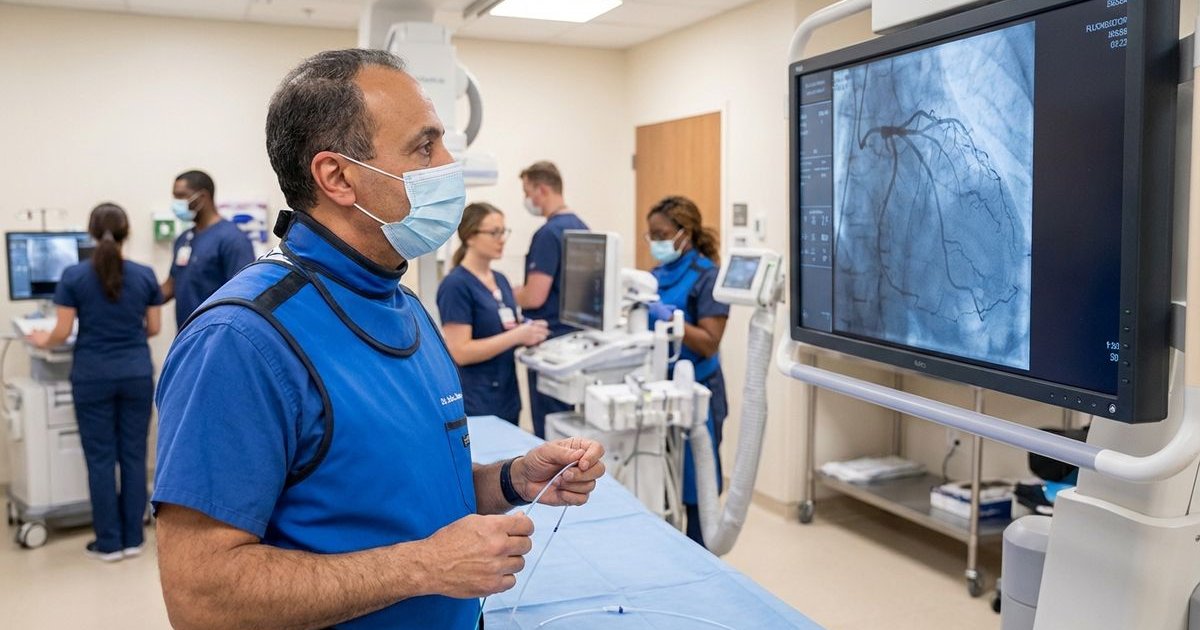
Have Questions About Your Heart Health?
Our board-certified cardiologists are here to help. Schedule a free consultation to discuss your concerns.