Coronary Artery Disease: What You Need to Know
Understanding coronary artery disease - the most common form of heart disease. Learn about causes, symptoms, diagnosis, and treatment options.
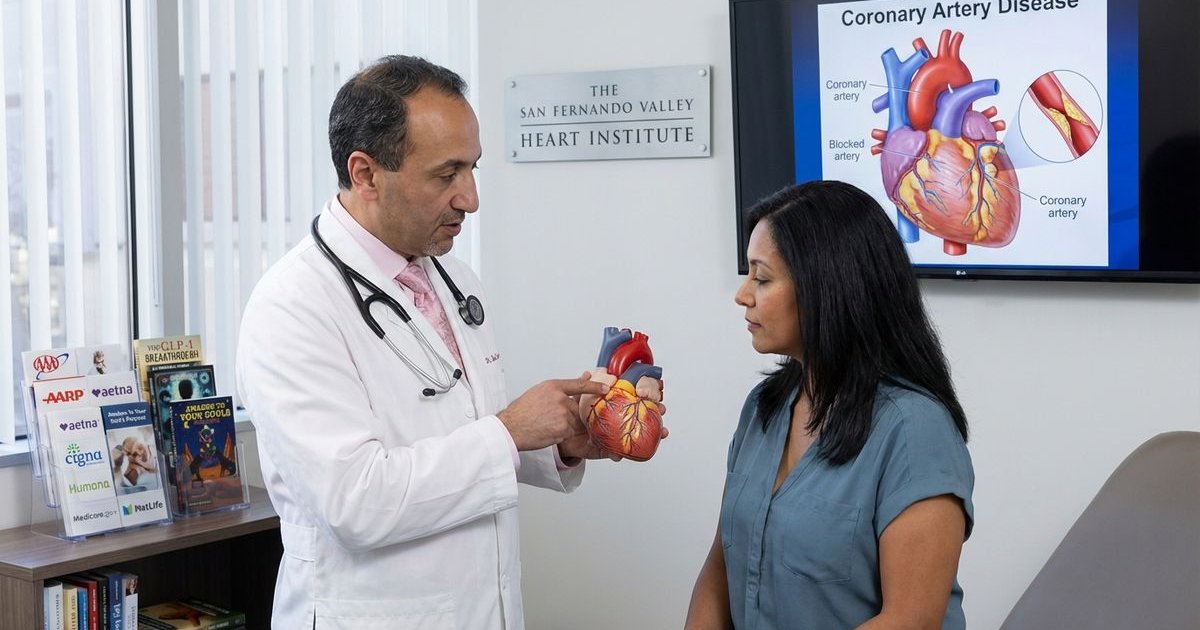
Coronary artery disease (CAD) stands as the single most common type of heart disease in the United States. We know that as a homeowner or business owner, you prioritize protecting your most valuable assets. Your heart health requires that same level of diligent oversight and risk management.
Our team at Los Angeles Heart Specialists often compares CAD to a plumbing issue in a complex building. The Centers for Disease Control and Prevention (CDC) estimates that over 20 million adults in the U.S. currently have this condition. It is the leading cause of death for both men and women nationwide.
We want to help you understand the mechanics of this condition. Empowering yourself with knowledge about development, symptoms, and treatment allows you to take control before a crisis occurs.
What Is Coronary Artery Disease?
Coronary artery disease happens when the major blood vessels supplying your heart become damaged or diseased. We often explain that these arteries wrap around your heart like a crown, which is the Latin origin of “corona.”
They supply the oxygen-rich blood your heart muscle needs to pump continuously. CAD is caused by plaque buildup in the wall of the arteries that supply blood to the heart (called coronary arteries).
Our physicians refer to this buildup process as atherosclerosis. It is similar to mineral deposits narrowing a pipe over time. The plaque consists of cholesterol, fatty substances, cellular waste products, calcium, and fibrin.
The Mechanics of Blockage
When this plaque accumulates, the pathway for blood narrows significantly. This restriction limits the flow of oxygen and nutrients to the heart muscle.
We have seen that this process often starts surprisingly early in life. A landmark study known as the Bogalusa Heart Study found that atherosclerosis can begin in childhood, progressing slowly over decades.
The Composition of Plaque:
- Soft Plaque: More likely to rupture and cause a sudden clot.
- Calcified Plaque: Harder and more stable, but causes rigid narrowing.
How Coronary Artery Disease Develops
Atherosclerosis typically begins with subtle damage to the inner lining of an artery. We identify this initial injury, technically called “endothelial dysfunction,” as the trigger point.
Several factors contribute to this damage:
- High blood pressure: The force of blood damages the artery walls.
- High LDL cholesterol: The “bad” cholesterol that deposits into the artery wall.
- Smoking: Chemicals in tobacco smoke significantly harm blood vessels.
- Insulin resistance or diabetes: High blood sugar accelerates arterial damage.
- Sedentary lifestyle: Lack of activity weakens the cardiovascular system.
Once the inner wall is damaged, blood cells and other substances clump at the injury site. Our bodies respond with inflammation, which traps cholesterol and forms plaque.
Over time, this plaque hardens and narrows the coronary arteries. This reduces blood flow to the heart muscle. We warn patients that this blockage prevents the heart from getting enough oxygen, especially during exertion.
Symptoms of Coronary Artery Disease
CAD often develops silently over many years. You might not notice a problem until a significant blockage occurs.
We advise paying close attention to your body’s signals during physical activity. When symptoms do appear, they are warning lights on your dashboard.
Angina (Chest Discomfort)
The most frequent symptom is angina. We describe this not just as pain, but as a distinct discomfort.
Angina typically presents in specific ways:
- Sensation: Pressure, squeezing, burning, or fullness.
- Location: Center or left side of the chest.
- Triggers: Physical exertion (like climbing stairs) or strong emotions.
- Relief: Usually stops within minutes of resting or taking nitroglycerin.
Gender Differences in Symptoms
Women frequently experience symptoms that differ from the “classic” chest clutching portrayed in movies. Our specialists use the following comparison to help patients identify risks accurately:
| Feature | Typical Symptoms in Men | Typical Symptoms in Women |
|---|---|---|
| Primary Sensation | Crushing chest pain or pressure | Sharp, burning chest pain or no chest pain |
| Pain Radiation | Left arm, neck, or jaw | Neck, jaw, throat, abdomen, or back |
| Associated Signs | Cold sweat, shortness of breath | Extreme fatigue, nausea, indigestion |
| Trigger | Physical exertion | Can occur during rest or sleep |
Silent Ischemia
Some individuals experience no outward signs at all. We see this condition, known as “silent ischemia,” most frequently in patients with diabetes.
The lack of pain does not mean the danger is absent. It simply means the warning system is bypassed, often leading to a surprise heart attack.
Heart Attack: When Plaques Rupture
The gradual narrowing of arteries is concerning, but a sudden rupture is the immediate emergency. We want you to understand that the size of the plaque does not always predict the risk of rupture.
A heart attack (myocardial infarction) unfolds in a specific sequence:
- A soft plaque plaque creates a fissure or crack.
- Blood platelets rush to the site to “repair” the crack.
- A blood clot forms rapidly, blocking the artery completely.
- Heart muscle downstream is starved of oxygen.
- Permanent damage begins within 20 to 40 minutes.
Recognized Warning Signs
A heart attack requires immediate action. Symptoms include:
- Unrelenting chest pressure or pain.
- Pain spreading to the shoulder, arm, back, or teeth.
- Cold sweat (often described as “clammy” skin).
- Shortness of breath.
- Lightheadedness or sudden dizziness.
- Nausea or vomiting.
Call 911 immediately if you suspect a heart attack. Do not drive yourself to the hospital.
Diagnosing Coronary Artery Disease
Modern medicine offers precise tools to assess the state of your arteries. We utilize a range of diagnostic tests depending on your risk profile and symptoms.
Non-Invasive Imaging
Technology has made it easier to see inside the heart without surgery.
- Coronary Calcium Scan: This specialized CT scan detects calcium deposits in your arteries. We use the “Agatston Score” to grade risk; a score of zero is ideal, while a score over 400 suggests extensive plaque.
- CT Coronary Angiography (CCTA): This advanced scan uses dye and X-rays to create 3D images of your heart vessels. It is becoming a front-line tool for ruling out CAD.
- Echocardiogram: Sound waves create a moving picture of your heart. It shows us how well your heart chambers are pumping.
Functional Testing
These tests measure how your heart performs under stress.
- Exercise Stress Test: You walk on a treadmill while we monitor your heart rate and rhythm.
- Nuclear Stress Test: A small amount of radioactive tracer helps us visualize blood flow during rest and activity.
Invasive Procedures
Sometimes, we need a direct look inside the arteries.
- Cardiac Catheterization: This is the gold standard for diagnosis. A long, thin tube (catheter) is threaded through an artery in your wrist or groin to the heart. We inject contrast dye to see exactly where blockages are located and how severe they are.
Treatment Options
Treatment for CAD focuses on managing symptoms and preventing future complications. We customize these plans based on the severity of the disease and your lifestyle.
Lifestyle Modifications
Your daily habits are the foundation of your heart health. We view these changes as the “preventative maintenance” for your body.
- Dietary Strategy: Adopting a Mediterranean or DASH (Dietary Approaches to Stop Hypertension) diet reduces risk. Focus on vegetables, fruits, whole grains, and healthy fats like olive oil.
- Activity Level: Aim for 150 minutes of moderate aerobic exercise weekly. A brisk 30-minute walk five days a week meets this goal.
- Weight Control: Shedding even 5-10% of body weight can significantly lower blood pressure and cholesterol.
- Tobacco Cessation: Quitting smoking is the single most effective action you can take. Your risk of heart disease drops by half just one year after quitting.
Medications
Pharmacology is often necessary to control the underlying factors of CAD. We prescribe various classes of drugs to protect your heart:
- Statins: These drugs lower LDL cholesterol and stabilize plaque to prevent rupture.
- Antiplatelets: Medications like aspirin prevent blood clots from forming.
- Beta-Blockers: These reduce the heart’s workload and lower blood pressure.
- ACE Inhibitors: These relax blood vessels and protect the kidneys and heart.
- Nitroglycerin: This provides rapid relief for angina by opening arteries quickly.
Interventional Procedures
When lifestyle changes and medication are not enough, we may recommend procedures to restore blood flow.
Angioplasty and Stenting Through interventional cardiology, this is a minimally invasive option. We guide a balloon-tipped catheter to the blockage. The balloon inflates to compress the plaque, and a stent (a small wire mesh tube) is placed to keep the artery open. Most modern stents are “drug-eluting,” meaning they release medication to prevent scar tissue from blocking the artery again.
Coronary Artery Bypass Grafting (CABG) This is a surgical approach for severe cases. A surgeon takes a healthy blood vessel from your leg, arm, or chest and connects it to the coronary artery. This creates a detour around the blockage.
Comparing Procedures
Deciding between a stent and surgery depends on the complexity of your disease.
| Feature | Angioplasty (Stent) | Bypass Surgery (CABG) |
|---|---|---|
| Invasiveness | Minimally invasive | Major surgery (open heart) |
| Recovery Time | typically 1 week | 6 to 12 weeks |
| Best For | 1 or 2 blockages | Multi-vessel disease or diabetes |
| Hospital Stay | Overnight or same-day | 4 to 7 days |
Living with Coronary Artery Disease
A diagnosis of CAD is a call to action, not a conclusion. We see many patients improve their quality of life significantly after diagnosis.
Managing this condition is like managing a business; it requires consistency and good data.
- Know Your Numbers: Track your blood pressure, cholesterol, and blood sugar regularly.
- Medication Adherence: Take your prescriptions exactly as directed. Missing doses can destabilize plaque.
- Cardiac Rehabilitation: This supervised program includes exercise, education, and counseling. Data shows it can reduce mortality rates by over 25% following a cardiac event.
- Stress Management: Chronic stress raises cortisol levels, which can harm your heart. Prioritize sleep and relaxation techniques.
Prevention: Your Best Defense
Prevention is always more cost-effective than repair. We encourage proactive steps to keep your arteries clear.
You can lower your risk by addressing modifiable factors:
- Maintain a healthy diet low in saturated fats.
- Exercise regularly to keep the heart muscle strong.
- Keep alcohol consumption moderate.
- Monitor your blood pressure and cholesterol annually.
Even if you have a family history of heart disease, these actions can delay or prevent the onset of CAD.
Take Action Today
Your heart health determines your ability to enjoy the home you’ve built and the business you’ve grown. Our team at Los Angeles Heart Specialists is dedicated to providing the expert maintenance and care your heart deserves.
We offer comprehensive evaluations, from advanced imaging to personalized prevention plans. Do not wait for a warning light to flash before seeking help.
Schedule an appointment with us to discuss your risk factors and create a strategy for long-term heart health.

LA Heart Specialists Team
Our team of board-certified cardiologists and medical writers provide expert insights on heart health.
Learn more about our teamRelated Articles
Atrial Fibrillation: Symptoms, Causes, and Treatment Options
Everything you need to know about AFib - from recognizing symptoms to understanding treatment options including medication and ablation procedures.

Heart Failure: Understanding Symptoms and Stages
Learn about the different stages of heart failure, warning signs to watch for, and how modern treatments can help manage this condition effectively.

Heart Palpitations: When to Worry and When to Relax
Are your heart palpitations serious? Learn to distinguish between harmless fluttering and symptoms that require immediate medical attention.
Have Questions About Your Heart Health?
Our board-certified cardiologists are here to help. Schedule a free consultation to discuss your concerns.