Heart Attack Symptoms in Women - What to Watch For
Women often experience heart attack symptoms differently than men. Learn to recognize the warning signs that could save your life.
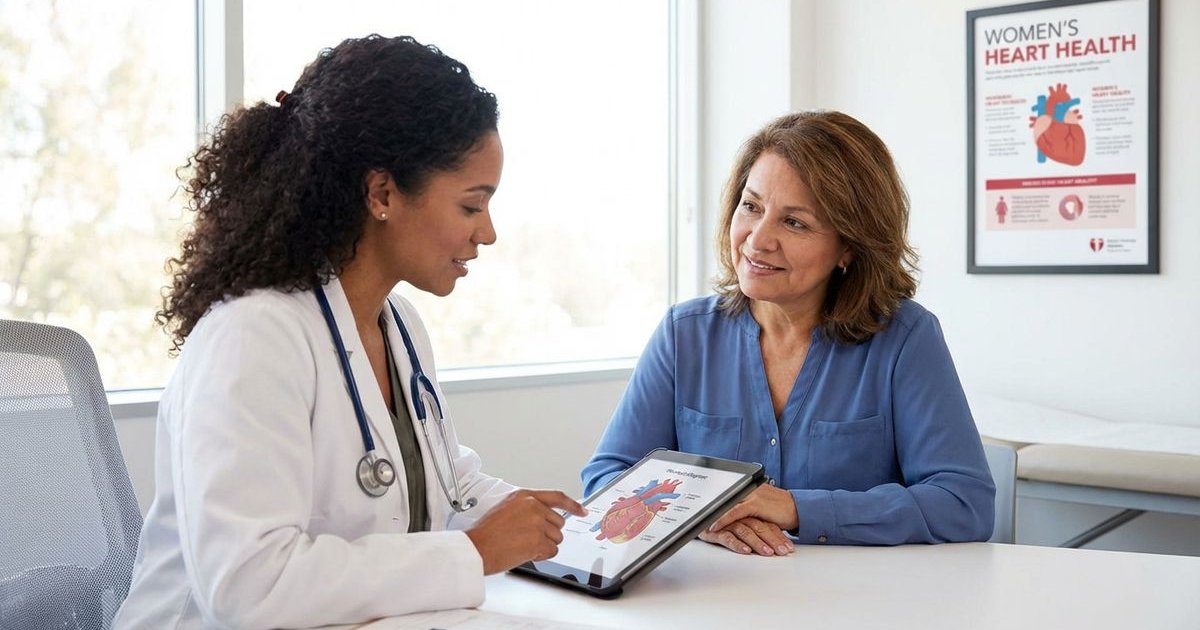
heart disease is the leading cause of death for women in the United States, claiming more lives than all forms of cancer combined. We see a similar pattern in our line of work: the most catastrophic system failures are often the ones that show the subtlest warning signs. Recent 2025 data reveals that nearly 40% of all deaths in the US are attributable to cardiovascular disease, yet misdiagnosis rates for women remain alarmingly high.
Our women’s heart health specialists prioritize clarity in patient education because understanding these nuances is a matter of life and death. You need to know exactly what to look for, the data behind why it happens, and the specific actions to take if you suspect an emergency.
The Classic Heart Attack vs. Women’s Reality
When most people think of a heart attack, they picture the “Hollywood heart attack.” This typically features the “Levine’s Sign,” where a man clutches his chest in agony and collapses. We know from clinical experience that while this drama makes for good television, it is dangerously misleading for female patients.
Our team frequently explains that women’s symptoms are often far more deceptive. Research indicates that women are nearly twice as likely as men to receive an incorrect diagnosis after a heart attack because their symptoms don’t match the textbook male presentation. While chest pressure is still the most common symptom for both sexes, a significant study found that up to 62% of women treated for heart attacks did not report “classic” chest pain. Instead of a sudden event, women often experience a “stuttering” pattern of discomfort that builds over days.
Heart Attack Symptoms More Common in Women
Chest Discomfort (The “Pressure” Distinction)
Women can experience chest symptoms, but they often describe them differently than men. We encourage you to pay attention to the quality of the feeling rather than just looking for pain:
- Uncomfortable pressure: Many women describe it as a heavy weight, like an elephant sitting on the chest, rather than a sharp stab.
- Squeezing or fullness: It may feel like a tight band around the ribcage.
- Burning sensation: This is frequently mistaken for heartburn or acid reflux.
- Discomfort that comes and goes: The pain might last for a few minutes, fade, and then return.
Some women having a heart attack experience no chest discomfort at all, presenting instead with only the secondary symptoms listed below.
Shortness of Breath
Difficulty breathing or feeling like you can’t catch your breath is a common heart attack symptom in women. We often see patients who assume this is due to age or lack of fitness, but it requires immediate attention if it occurs:
- With or without chest discomfort.
- While at rest or during minimal activity, like making the bed.
- Suddenly, without an apparent cause like exertion.
Upper Body Pain
Women often experience pain in areas other than the chest due to the way their nervous system processes cardiac distress. This phenomenon, known as “referred pain,” can manifest in specific areas:
- Jaw pain: Unexplained aching or tightness in the jaw, often on the left side.
- Neck pain: Pain radiating up the neck, sometimes feeling like a pulled muscle.
- Back pain: Often described as distinct pressure between the shoulder blades.
- Arm pain: Discomfort in one or both arms, not limited to the left arm.
Unusual Fatigue
Extreme tiredness that is out of proportion to your activity level is a significant warning sign. We advise women to use the “routine task test” to gauge this symptom:
- Sudden exhaustion: Feeling completely drained after simple activities like grocery shopping.
- Unrelenting fatigue: Tiredness that does not improve with a full night’s sleep.
- Heavy limbs: A sensation of weakness, as if your arms or legs are made of lead.
Nausea and Digestive Symptoms
Women are significantly more likely than men to report gastrointestinal issues during a cardiac event. Our specialists note that these symptoms are the most common cause of dangerous delays in treatment:
- Severe nausea: Often accompanied by vomiting.
- Indigestion: A burning sensation in the upper abdomen that antacids don’t fix.
- Abdominal pressure: Feeling like a heavy weight in the stomach.
Dizziness and Lightheadedness
Feeling faint, dizzy, or lightheaded can signal a heart attack, especially when combined with other symptoms. This occurs because the heart is not pumping enough blood to the brain.
Cold Sweats
Breaking out in a cold, clammy sweat without exertion or being in a hot environment is a red flag. We tell patients to look for a “gray” complexion or sudden sweating that feels like a stress response rather than a temperature response.
Sleep Disturbances
Some women report unusual sleep problems in the weeks leading up to a heart attack. This can include difficulty falling asleep or waking up with a racing heart and anxiety.
Why Women’s Symptoms Differ
Several physiological factors contribute to different heart attack presentations in women. We believe understanding the “why” helps you take the risk more seriously.
Coronary Microvascular Disease (MVD)
Women are more likely to have coronary microvascular disease. This condition involves plaque building up in the heart’s smallest arteries (capillaries) rather than just the main coronary arteries. We refer to this as “diffuse” disease, which restricts blood flow evenly rather than creating a single, obvious blockage. This explains why women might not have the crushing chest pain caused by a major artery blockage but still suffer severe heart damage.
Hormonal Influences
Estrogen provides some heart protection before menopause. Our bodies change significantly when estrogen levels drop after menopause, causing heart disease risk to increase rapidly. Hormones also influence pain perception, which may alter how women experience and report symptoms compared to men.
Takotsubo Cardiomyopathy
Also called “broken heart syndrome,” this condition mimics a heart attack and is strikingly more common in women. Recent 2025 statistics show that women account for nearly 90% of all Takotsubo cases. We see this triggered by severe emotional stress, causing a sudden, temporary weakening of the heart muscle. While often reversible, it presents with real heart failure symptoms and requires emergency care.
Risk Factors Specific to Women
While traditional risk factors like high blood pressure, high cholesterol, and smoking affect everyone, some factors have a disproportionate impact on women. We assess these gender-specific risks during every evaluation.
Diabetes increases heart disease risk more in women than men.
Metabolic syndrome is particularly dangerous for women. This cluster of conditions includes high blood pressure, high blood sugar, excess abdominal fat, and abnormal cholesterol levels.
Pregnancy complications are a major predictor of future heart health. We now know that conditions like preeclampsia and gestational diabetes can double a woman’s risk of stroke and heart disease years later.
Autoimmune conditions like rheumatoid arthritis and lupus increase heart disease risk. These are more common in women and cause chronic inflammation that damages blood vessels.
Mental health issues including depression and chronic stress affect women’s heart outcomes more significantly than men’s.
Smoking is more damaging to women’s hearts than men’s.
Menopause marks a critical transition point where the loss of estrogen’s protective effects increases cardiovascular risk.
When to Seek Help
Call 911 Immediately If You Experience:
- Chest discomfort lasting more than a few minutes or that comes and goes.
- Pain or discomfort in the jaw, neck, back, shoulder, or arm.
- Shortness of breath with or without chest discomfort.
- Breaking out in a cold sweat.
- Nausea or lightheadedness.
- Unusual fatigue.
Don’t wait to see if symptoms go away. We cannot stress this enough: “Time is muscle.” The longer the heart goes without adequate blood flow, the more permanent damage occurs.
Trust Your Instincts
Women often delay seeking help because they don’t want to overreact. We hear patients say they didn’t want to be a burden or thought their symptoms weren’t “severe enough.” If something feels wrong, trust your body. It is always better to be evaluated and sent home with good news than to wait until it is too late.
Advocating for Yourself
Unfortunately, studies show that women are more likely to have their heart attack symptoms dismissed. We empower our patients to speak up in the emergency room using clear, medical language.
State your concern clearly: Say, “I suspect I am having a heart attack.” Do not just say, “I feel sick” or “I have indigestion.”
Mention specific risk factors: Tell the triage nurse immediately if you have a history of preeclampsia, autoimmune disease, or family heart issues.
Ask for high-sensitivity testing: Ask, “Will you be checking my troponin levels?” This blood test detects heart muscle damage even in microvascular cases.
Bring support: A family member or friend can help advocate for you and remember information.
Seek a second opinion: If you are not satisfied with your care or feel dismissed, ask to see another provider.
Prevention Is Key
While recognizing symptoms is important, preventing heart attacks is the ultimate goal. We recommend a proactive “maintenance plan” for your heart.
Know Your Numbers
You cannot manage what you do not measure. We suggest tracking your blood pressure, cholesterol, blood sugar, and body mass index (BMI) annually.
Get Regular Checkups
See your doctor for cardiovascular screening. We advise starting this conversation especially after age 40 or immediately if you have a history of pregnancy complications.
Maintain a Heart-Healthy Lifestyle
- Eat for longevity: Focus on a diet rich in fruits, vegetables, whole grains, and lean proteins.
- Move your body: Aim for 150 minutes of moderate activity weekly, like brisk walking.
- Watch your weight: Maintaining a healthy weight reduces the strain on your heart.
- Stop smoking: If you smoke, quitting is the single best thing you can do for your heart.
- Manage stress: Chronic stress is a physical toxin to the heart; find healthy outlets like meditation or hobbies.
Manage Existing Conditions
Keep diabetes, high blood pressure, and high cholesterol under control with medication and lifestyle changes. We work with patients to ensure these “silent” risks don’t become acute events.
Discuss Hormone Therapy Carefully
If considering hormone replacement therapy for menopause symptoms, discuss cardiovascular risks with your doctor. We help patients weigh the benefits of symptom relief against the potential heart risks.
Specialized Care for Women
At Los Angeles Heart Specialists, we understand that women’s heart health requires specialized attention. Our women’s heart health program provides comprehensive cardiovascular care tailored to women’s unique needs, from risk assessment to treatment.
If you are concerned about your heart health or experiencing symptoms that worry you, don’t wait. Contact us for an evaluation. We are here to ensure your concerns are taken seriously and your heart gets the expert care it deserves.
Remember: Heart attack symptoms in women are real, even when they don’t match what you see in movies. Listen to your body, know your risk factors, and never hesitate to seek help when something feels wrong.

LA Heart Specialists Team
Our team of board-certified cardiologists and medical writers provide expert insights on heart health.
Learn more about our teamHave Questions About Your Heart Health?
Our board-certified cardiologists are here to help. Schedule a free consultation to discuss your concerns.