Heart Failure: Understanding Symptoms and Stages
Learn about the different stages of heart failure, warning signs to watch for, and how modern treatments can help manage this condition effectively.

Here is the comprehensive, enriched article, rewritten to meet your specific tone, structural, and regional requirements.
Heart failure is a term that sounds frightening, and understandably so. The name itself suggests a sudden stop, but the reality is quite different. It actually means the heart requires a more strategic management plan to keep up with the body’s demands. Our team views this diagnosis not as an end, but as a shift in how you maintain your body’s most critical pump.
Understanding specific metrics, recognizing subtle warning signs early, and utilizing modern interventional cardiology treatment protocols can help you regain control. We have seen countless patients navigate this condition successfully by treating it with the same attention to detail a business owner applies to operations.
What Is Heart Failure?
Heart failure doesn’t mean your heart has stopped working. It simply means the cardiac muscle isn’t pumping blood efficiently enough to meet the body’s metabolic needs.
Think of it like a central plumbing pump that has lost some of its pressure. When the pump can’t move fluid effectively, two things happen: the destination (organs) doesn’t get enough supply, and the source (veins) gets backed up. This backup leads to fluid leaking into the lungs and other tissues, which doctors call congestion. The body attempts to compensate by holding onto salt and water to increase blood volume, which often creates a cycle that increases the strain on the heart.
Types of Heart Failure
Medical professionals classify heart failure using specific measurements to determine the best treatment path. The most critical metric is the Ejection Fraction (EF).
By Ejection Fraction
Ejection fraction measures the percentage of blood leaving the left ventricle with each contraction. We use these numbers to categorize the condition and select the right medication.
| Classification | Ejection Fraction (EF) | What It Means |
|---|---|---|
| Normal Function | 55% - 70% | The heart pumps a healthy amount of blood. |
| HFrEF (Reduced) | 40% or below | The muscle is weak and cannot squeeze forcefully. |
| HFmrEF (Mid-Range) | 41% - 49% | A “gray zone” falling between reduced and preserved function. |
| HFpEF (Preserved) | 50% or above | The heart squeezes normally but is too stiff to fill properly. |
By Which Side Is Affected
Left-sided heart failure: The left ventricle struggles to pump oxygen-rich blood to the body. Fluid consequently backs up into the lungs, creating shortness of breath.
Right-sided heart failure: The right ventricle cannot effectively pump blood to the lungs for oxygenation. This usually results from left-sided failure and causes backup in the veins, leading to swelling in the legs, ankles, and abdomen.
Most patients eventually experience effects on both sides.
Symptoms of Heart Failure
Symptoms arise because blood isn’t circulating efficiently and fluid accumulates in tissues. Recognizing these signs early allows for faster intervention.
Shortness of Breath
- Dyspnea: Difficulty breathing during standard activities like walking to the mailbox.
- Orthopnea: Breathlessness that occurs specifically when lying flat.
- Paroxysmal Nocturnal Dyspnea: Waking up suddenly at night gasping for air.
- Bendopnea: A specific symptom where you feel short of breath within 30 seconds of bending over to tie your shoes.
Fatigue and Weakness
- Feeling constantly tired due to reduced oxygen supply to muscles.
- Difficulty completing tasks that were easy six months ago.
- Weakness that progressively worsens throughout the day.
Fluid Retention (Edema)
- Swelling in feet, ankles, legs, or abdomen.
- Rapid weight gain: Gaining 2-3 pounds overnight or 5 pounds in a week is a primary red flag for fluid buildup.
- Feeling bloated or full quickly when eating (early satiety).
Other Warning Signs
- Persistent cough: Often producing white or pink blood-tinged mucus.
- Confusion: Impaired thinking due to changing sodium levels or reduced blood flow to the brain.
- Palpitations: A sensation of a rapid or irregular heartbeat.
Stages of Heart Failure
The American Heart Association (AHA) and American College of Cardiology (ACC) updated their guidelines in 2022 to emphasize early prevention. We use this staging system to determine how aggressive therapy needs to be.
Stage A: At Risk
There is no structural heart disease or symptoms yet, but risk factors are high. This includes patients with hypertension, diabetes, or a family history of cardiomyopathy.
Strategy: Aggressive management of blood pressure and lipids to prevent damage before it starts.
Stage B: Pre-Heart Failure
Structural heart disease is visible on tests (like a previous heart attack or reduced EF), but the patient has never had symptoms.
Strategy: Initiate medications like ACE inhibitors or beta-blockers immediately to prevent the onset of symptoms.
Stage C: Symptomatic Heart Failure
The patient has structural heart disease and current or previous symptoms. This is the stage where most people receive their diagnosis.
Strategy: A comprehensive regimen of medications, dietary changes, and device therapy to improve quality of life.
Stage D: Advanced Heart Failure
Symptoms are severe and interfere with daily life despite optimal medical therapy. Hospitalizations may become frequent.
Strategy: Evaluation for advanced options like mechanical pumps or transplant.
NYHA Functional Classification
Doctors also use the New York Heart Association (NYHA) system to grade how the condition affects your physical capabilities right now.
Class I: No limitation on physical activity. Ordinary movement causes no fatigue.
Class II: Slight limitation. Comfortable at rest, but ordinary activity results in fatigue or shortness of breath.
Class III: Marked limitation. Comfortable at rest, but less than ordinary activity (like walking to the bathroom) causes symptoms.
Class IV: Severe limitation. Symptoms are present even while resting.
Causes of Heart Failure
Heart failure is usually the result of other conditions damaging the heart over time. Identifying the root cause is essential for the repair strategy.
- Coronary Artery Disease (CAD): The leading cause in the US. Plaque buildup restricts blood flow, often leading to heart attacks that kill heart muscle.
- Hypertension: Uncontrolled high blood pressure (consistently over 130/80 mmHg) forces the heart to work too hard, causing the muscle to thicken and eventually fail.
- Valvular Heart Disease: Leaking or narrowed valves force the pump to work inefficiently.
- Arrhythmias: Atrial fibrillation (Afib) causes an irregular beat that prevents the heart from pumping effectively.
- Diabetes: High blood sugar damages blood vessels and the heart muscle itself.
- Cardiomyopathy: Genetic or acquired diseases of the heart muscle.
- Toxins: Alcohol abuse and certain chemotherapy drugs (like doxorubicin) can weaken the heart.
Diagnosis
We utilize a combination of physical exams and advanced imaging to confirm the diagnosis and establish a baseline.
Blood Tests: We specifically look for N-terminal pro-b-type natriuretic peptide (NT-proBNP). Levels above 125 pg/mL (for patients under 75) generally indicate heart failure.
Echocardiogram: This ultrasound of the heart is the gold standard. It visualizes the valves, measures the Ejection Fraction, and checks for muscle stiffness.
Electrocardiogram (ECG): This quick test records the electrical activity of the heart to spot arrhythmias or previous heart attacks.
Stress Testing: Measures how the heart responds to external exertion.
Cardiac MRI: Provides detailed images of the heart muscle to identify scar tissue or infiltrative diseases like amyloidosis.
Treatment
Modern heart failure treatment has advanced significantly in the last five years. The goal is now “Guideline-Directed Medical Therapy” (GDMT), which relies on four pillars of medication to extend life and reduce hospital visits.
The Four Pillars of Medication
We generally aim to get patients on all four of these drug classes if their blood pressure and kidneys allow it.
| Medication Class | Common Generic (Brand) | Function |
|---|---|---|
| Beta-Blockers | Carvedilol, Metoprolol Succinate | Lowers heart rate and reduces the workload on the heart. |
| ARNI | Sacubitril/Valsartan (Entresto) | Reduces strain on blood vessels and helps the body remove sodium. |
| MRA | Spironolactone, Eplerenone | Blocks hormones that cause salt retention and heart scarring. |
| SGLT2 Inhibitors | Empagliflozin (Jardiance), Dapagliflozin (Farxiga) | Originally for diabetes, these effectively reduce heart failure hospitalizations. |
Diuretics (Water Pills): medications like Furosemide (Lasix) or Torsemide are used to manage symptoms by removing excess fluid, though they do not necessarily change the long-term disease course.
Lifestyle Modifications
Medication works best when paired with a disciplined maintenance routine.
- Sodium Management: The AHA recommends limiting sodium to 1,500 to 2,300 mg per day. This is roughly one teaspoon of salt.
- Fluid Restriction: Some patients need to limit total fluid intake to 64 ounces (2 liters) per day to prevent backup.
- Weight Monitoring: Weigh yourself every morning after using the restroom but before eating.
- The “Salty Six”: Avoid the six most common sources of hidden sodium: bread, cold cuts, pizza, poultry, soup, and sandwiches.
- Exercise: Cardiac rehabilitation programs reduce mortality risk by approximately 20-30%.
Device Therapy
Implantable Cardioverter-Defibrillator (ICD): A device that monitors heart rhythm and delivers a shock if a dangerous, life-threatening rhythm is detected.
Cardiac Resynchronization Therapy (CRT): This “biventricular” pacemaker sends electrical impulses to both lower chambers of the heart to help them beat in sync.
Pulmonary Artery Pressure Sensors: Devices like the CardioMEMS HF System are implanted in the pulmonary artery to send daily pressure readings to your doctor, allowing for medication adjustments before symptoms appear.
Advanced Therapies
For Stage D heart failure, standard therapies may stop working.
- Left Ventricular Assist Device (LVAD): A mechanical pump implanted to help the left ventricle move blood to the body.
- Heart Transplant: Replacing the failing heart with a healthy donor organ.
Living with Heart Failure
Managing heart failure is an active process that requires daily attention. Our most successful patients treat their body like a business, tracking metrics and making adjustments.
- Adhere to the Regimen: Take medications exactly as prescribed, even if you feel fine.
- Track Your Data: Use a notebook or an app to log daily weight, blood pressure, and sodium intake.
- Stay Active: Walking is often the best medicine, provided you stay within the limits set by your doctor.
- Vaccinations: The flu and pneumonia put immense stress on the heart, so staying current on vaccines is vital.
Warning Signs to Report
Early communication can prevent a hospital stay. Contact your healthcare team immediately if you notice:
- Weight Gain: More than 3 pounds in one day or 5 pounds in a week.
- Worsening Edema: Increased swelling in the legs or abdomen.
- Resting Dyspnea: Shortness of breath while sitting still.
- Sleep Disturbance: Needing to sleep upright in a recliner to breathe.
- Loss of Appetite: Nausea or feeling full immediately after starting a meal.
Hope and Progress
While heart failure is a serious chronic condition, the landscape has changed. With the introduction of SGLT2 inhibitors and improved monitoring technology, patients are living longer, healthier lives than ever before.
At Los Angeles Heart Specialists, we provide comprehensive heart failure care from early risk factor management through advanced treatment options. If you’ve been diagnosed with heart failure or are concerned about your risk, contact us to learn how we can help.

LA Heart Specialists Team
Our team of board-certified cardiologists and medical writers provide expert insights on heart health.
Learn more about our teamRelated Articles
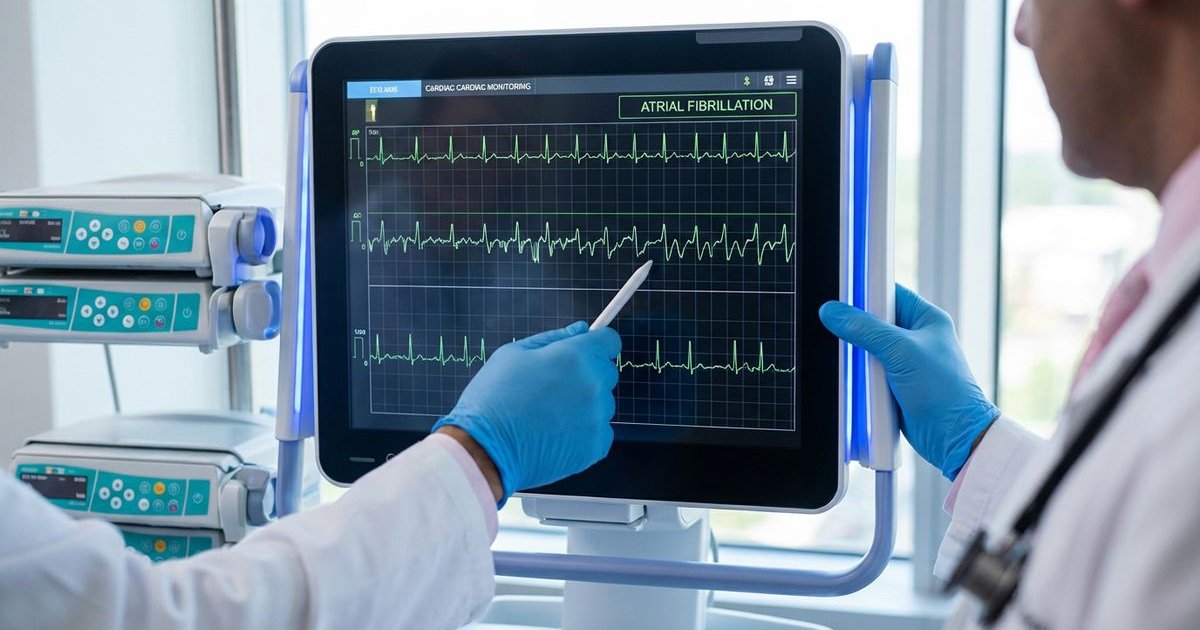
Atrial Fibrillation: Symptoms, Causes, and Treatment Options
Everything you need to know about AFib - from recognizing symptoms to understanding treatment options including medication and ablation procedures.
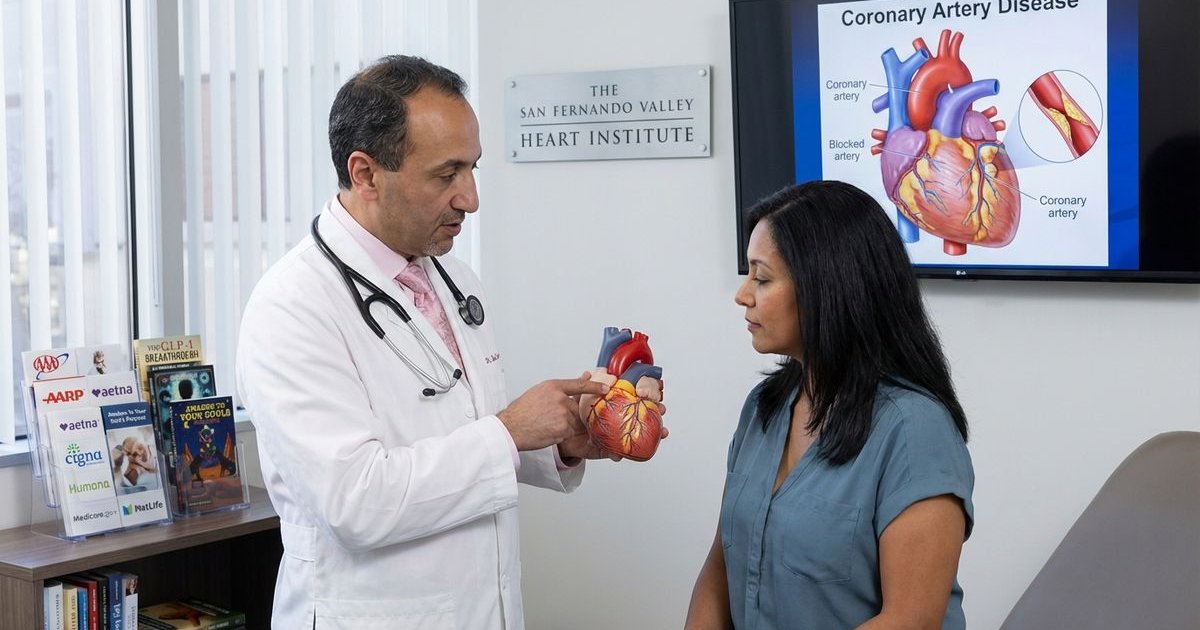
Coronary Artery Disease: What You Need to Know
Understanding coronary artery disease - the most common form of heart disease. Learn about causes, symptoms, diagnosis, and treatment options.

Heart Palpitations: When to Worry and When to Relax
Are your heart palpitations serious? Learn to distinguish between harmless fluttering and symptoms that require immediate medical attention.
Have Questions About Your Heart Health?
Our board-certified cardiologists are here to help. Schedule a free consultation to discuss your concerns.