7 Warning Signs You Need to See a Cardiologist
Learn the key symptoms that indicate it's time to consult a heart specialist. From chest pain to shortness of breath, know when to seek expert cardiac care.

7 Warning Signs You Need to See a Cardiologist
Your heart is a tireless engine, beating over 100,000 times per day to keep your body functioning. Yet, we often see patients who waited weeks or even months to address subtle changes in their health because they didn’t want to “make a fuss.” Realizing that cardiac issues don’t always look like the dramatic scenes in movies is the first step toward better health.
Our team at Los Angeles Heart Specialists wants to help you distinguish between normal aches and signals that require professional attention. Knowing the specific difference between a pulled muscle and cardiac pressure can be the deciding factor in preventing a serious event. Our preventive cardiology approach will walk you through seven evidence-based warning signs and the specific tests, such as the new 2025 Lp(a) screening protocols, that can protect your future.
1. Chest Pain or Discomfort
Chest pain remains the most common reason people visit the emergency room, accounting for approximately 6.5 million visits in the U.S. annually. However, we find that many patients dismiss their discomfort as indigestion or anxiety until it becomes severe.
Distinguishing Cardiac Pain: True cardiac pain often presents as pressure rather than a sharp stabs. Our specialists use the “HEART” score criteria to evaluate risk, but you can look for these specific characteristics at home:
| Symptom Feature | Likely Cardiac Origin | Likely Non-Cardiac Origin |
|---|---|---|
| Sensation | Squeezing, fullness, or “an elephant on the chest” | Sharp, stabbing, or electric-shock feeling |
| Duration | Lasts minutes to hours; may wax and wane | Lasts only seconds or is constant for days |
| Movement | Worsens with exertion; improves with rest | Worsens when pressing on the spot or twisting |
| Location | Central chest; radiates to left arm, jaw, or back | Pinpoint location you can touch with one finger |
The Gender Gap in Symptoms: Women need to be especially vigilant. Studies from 2024 indicate that women under 55 wait nearly 30% longer than men to seek care for chest pain and are less likely to receive an EKG within the recommended 10-minute window. We advise our female patients to be explicit about their symptoms, stating “I have chest pressure and shortness of breath,” to ensure rapid triage.
Important: If you experience severe chest pressure accompanied by nausea, sweating, or shortness of breath, call 911 immediately.
2. Shortness of Breath (Dyspnea)
Feeling winded after a sprint is normal, but struggling to breathe while resting or performing light household chores is a red flag. Approximately 6.7 million Americans are currently living with heart failure, and breathlessness is often the very first sign.
Specific Types to Watch For: Our cardiologists look for two distinct patterns that strongly suggest heart issues rather than lung problems:
- Orthopnea: This occurs when you feel breathless immediately upon lying flat. You might find yourself needing two or three pillows to sleep comfortably.
- Paroxysmal Nocturnal Dyspnea (PND): This is a sudden sensation of suffocation that wakes you up 1-2 hours after falling asleep, forcing you to sit up or stand for relief.
Why It Happens: When the heart’s pumping efficiency drops, blood backs up in the veins returning from the lungs. This causes fluid to leak into the air sacs (pulmonary edema), making gas exchange difficult. We measure this strain using a blood test called BNP (B-type Natriuretic Peptide); levels above 35 pg/mL in a symptomatic patient often trigger further investigation.
3. Heart Palpitations
Palpitations are the sensation of your heart racing, fluttering, or skipping beats. While often caused by caffeine or stress, we are seeing a significant rise in diagnosed arrhythmias.
The Rising Risk of AFib: New data suggests that up to 10.5 million U.S. adults will be living with Atrial Fibrillation (AFib) by 2025. This condition increases stroke risk by five times if left untreated. Our practice recommends paying attention to “irregularly irregular” heartbeats—a chaotic rhythm with no discernible pattern.
Actionable Insight: Many of our patients now detect these rhythms using FDA-cleared consumer wearables. If your smart device alerts you to a high heart rate while you are sedentary (over 100 beats per minute), or explicitly flags “possible AFib,” you should print that report and bring it to your consultation.
Concerning patterns include:
- “Flip-flopping” sensations in the chest.
- Rapid pounding that starts and stops suddenly.
- Palpitations accompanied by dizziness or shortness of breath.
4. Unusual Fatigue
This is not the “tired” you feel after a long week of work; it is a profound, “bone-deep” exhaustion. We often hear patients say, “I can’t even carry the groceries upstairs anymore.”
The Metabolic Cost: When cardiac output is low, the body prioritizes blood flow to the brain and heart, leaving muscles with less oxygen. This results in fatigue that does not improve with sleep.
Women and Heart Disease: Fatigue is frequently the primary symptom of heart disease in women, often appearing weeks before a cardiac event. The American Heart Association notes that women are more likely than men to experience this subtle decline in energy rather than crushing chest pain.
Signs your fatigue might be heart-related:
- You feel exhausted after showering or making the bed.
- Your legs feel heavy as lead.
- You wake up tired despite a full night’s sleep.
- Flu-like fatigue persists for weeks without other virus symptoms.
5. Dizziness or Lightheadedness
Frequent dizzy spells or “graying out” should never be ignored. While dehydration is a common culprit, cardiac syncope (fainting caused by heart issues) accounts for about 20% of all fainting cases and carries a higher risk of future complications.
The Mechanism: Dizziness often signals that your brain is not getting enough blood flow. This can be caused by a drop in blood pressure (hypotension) or a heart valve issue, such as aortic stenosis, which physically blocks blood from leaving the heart.
When to Test: We typically recommend a Tilt Table Test or a Holter monitor for patients with unexplained dizziness. These tools help us correlate your symptoms with your heart rhythm and blood pressure changes in real-time.
Warning signs to watch for:
- Feeling faint immediately upon standing up (Orthostatic Hypotension).
- Dizziness that occurs during exercise (this is a serious warning sign).
- Fainting without any warning or prodrome.
6. Swelling in Your Legs, Ankles, or Feet
Gravity causes fluid to settle in your lower body, but your heart should be strong enough to pump it back up. Persistent swelling, known medically as edema, is a classic sign of right-sided heart failure.
The “Pitting” Test: You can perform a simple check at home. Press your thumb firmly into the swollen area of your ankle for five seconds and release. If an indentation (pit) remains for several seconds, this is “pitting edema” and suggests fluid retention.
What to Look For:
- Bilateral Swelling: Heart issues usually cause swelling in both legs, whereas swelling in just one leg might indicate a blood clot (DVT).
- Sudden Weight Gain: We advise patients to weigh themselves daily; gaining 3+ pounds in 24 hours often indicates fluid buildup, not fat.
- Shoe Tightness: Your shoes feel significantly tighter in the evening than in the morning.
7. Family History of Heart Disease
Your genetics play a massive role in your cardiovascular risk profile. If your father had a heart attack before age 55 or your mother before age 65, your risk significantly increases.
The New Standard for Screening: We now strongly advocate for Lipoprotein(a) testing. This genetic cholesterol marker is elevated in about 20% of the population (1 in 5 people) and is a potent driver of early heart attacks.
Why It Matters: Standard cholesterol panels do not check for Lp(a). Our team frequently identifies patients with “normal” LDL cholesterol who still have high risk due to this genetic factor.
Consider a cardiac evaluation if:
- You have a family history of sudden cardiac death.
- Relatives have required stents or bypass surgery in their 40s or 50s.
- You have high cholesterol despite a healthy diet and exercise.
Additional Risk Factors That Warrant Evaluation
Beyond these symptoms, your proactive health strategy should include monitoring key metrics. The 2025 guidelines have tightened the goals for what is considered “healthy.”
- Blood Pressure: The goal is now consistently below 130/80 mmHg. Levels between 120-129 are considered “elevated.”
- Cholesterol: High LDL (“bad”) cholesterol remains a primary enemy.
- Diabetes: Having diabetes essentially doubles your risk of cardiovascular disease.
- Smoking: This single factor accelerates arterial damage more than any other.
When to Seek Emergency Care
Some situations require an ambulance, not an appointment. Time is muscle, and delays can lead to permanent damage.
Call 911 immediately if you experience:
- Crushing chest pain that radiates to the jaw, neck, or left arm.
- Sudden, severe shortness of breath.
- Fainting with no explanation.
- Chest discomfort accompanied by cold sweat, nausea, or lightheadedness.
Taking the First Step
Recognizing these signs is only valuable if you act on them. We encourage you to view a cardiology consultation not as an admission of sickness, but as a strategic move to protect your longevity.
At Los Angeles Heart Specialists, our approach combines advanced diagnostic tools like 3D echocardiograms and genetic testing with a listening ear. We understand that you know your body best, and our role is to investigate the “why” behind your symptoms.
Whether you need to investigate a new symptom or want a comprehensive preventive screening, we are ready to support you. Schedule a consultation with our cardiology team today, and let’s ensure your heart is ready for the years ahead.

LA Heart Specialists Team
Our team of board-certified cardiologists and medical writers provide expert insights on heart health.
Learn more about our team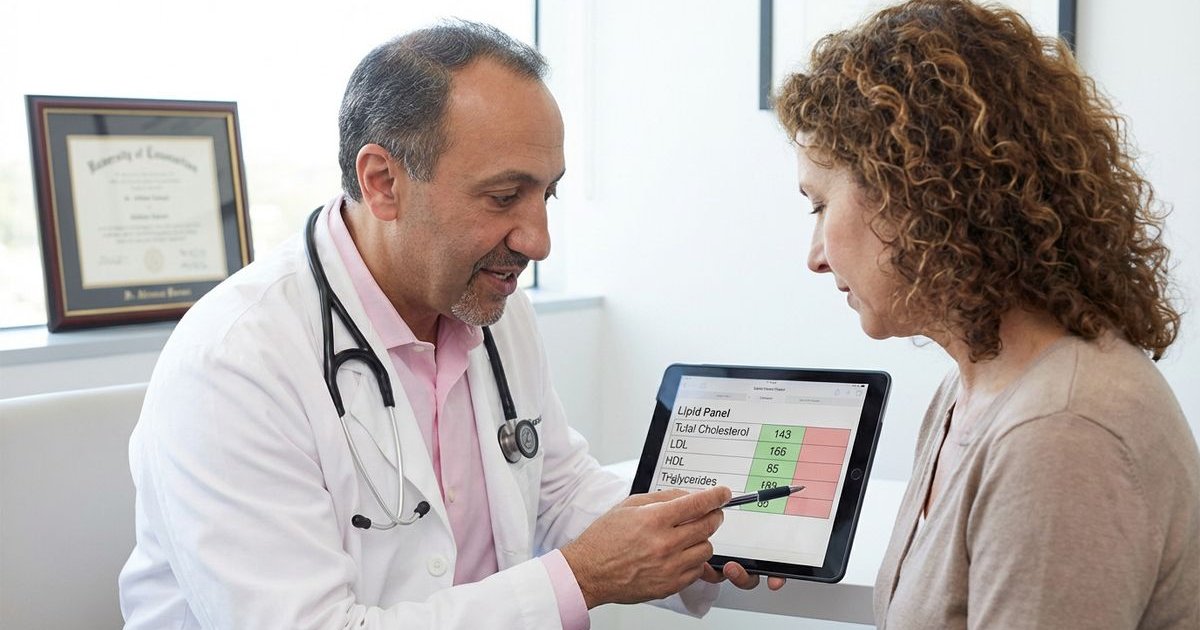
Have Questions About Your Heart Health?
Our board-certified cardiologists are here to help. Schedule a free consultation to discuss your concerns.