Comprehensive Arrhythmia Care
Comprehensive diagnosis and treatment for atrial fibrillation and other arrhythmias.
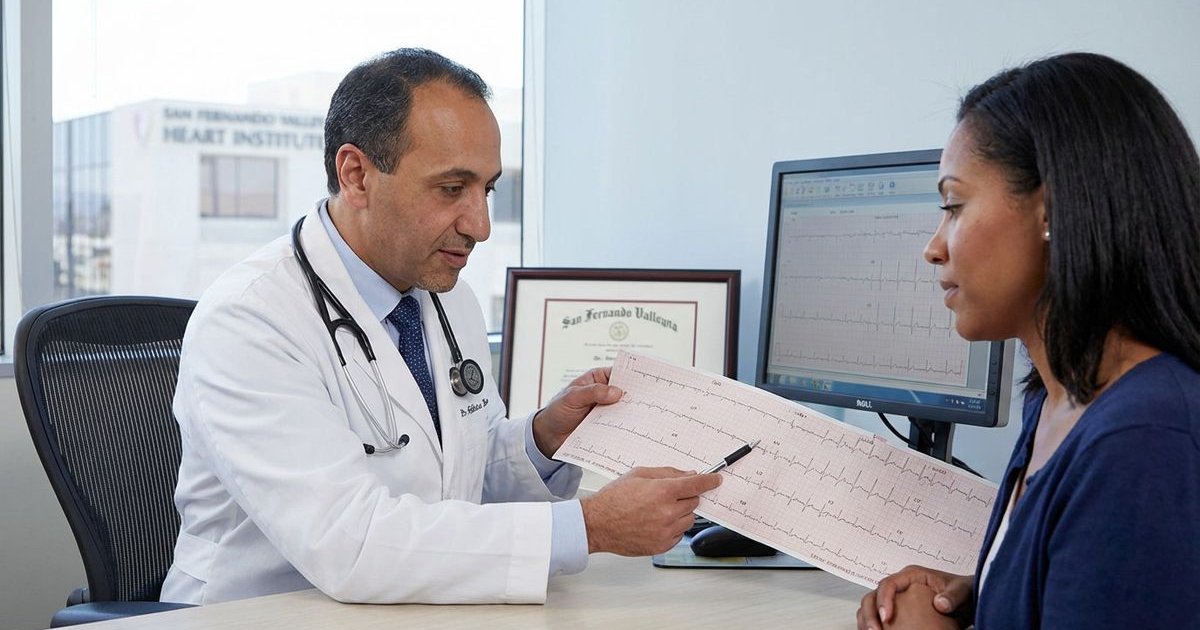
What We Offer
Comprehensive arrhythmia services tailored to your needs.
At Los Angeles Heart Specialists, we provide comprehensive care for patients with heart rhythm disorders. Whether you’re experiencing occasional palpitations or living with chronic atrial fibrillation, our specialized team offers accurate diagnosis and effective treatment to help you feel your best.
Understanding Heart Rhythm Disorders
Your heart’s electrical system precisely coordinates every heartbeat, ensuring your heart pumps blood effectively throughout your body. When this electrical system malfunctions, the result is an arrhythmia, a heart rhythm disorder that can cause symptoms ranging from barely noticeable to severely disabling.
Arrhythmias fall into several categories:
Too Fast (Tachycardia)
- Atrial fibrillation (AFib): The most common arrhythmia, causing an irregular, often rapid heartbeat
- Atrial flutter: Similar to AFib but with a more regular, rapid pattern
- Supraventricular tachycardia (SVT): Sudden episodes of rapid heartbeat
- Ventricular tachycardia: Fast rhythm originating in the heart’s lower chambers
Too Slow (Bradycardia)
- Sick sinus syndrome: The heart’s natural pacemaker doesn’t work properly
- Heart block: Electrical signals are delayed or blocked between chambers
Irregular
- Premature beats: Extra beats that disrupt normal rhythm
- AFib and other irregular rhythms
Symptoms of Heart Rhythm Disorders
Arrhythmia symptoms vary widely depending on the type, severity, and individual patient. Common symptoms include:
- Palpitations: Feeling your heart race, flutter, pound, or skip beats
- Shortness of breath: Especially with activity or when lying down
- Fatigue: Feeling tired or lacking energy
- Dizziness or lightheadedness: Especially when standing
- Chest discomfort: Pressure, tightness, or pain
- Fainting or near-fainting: Brief loss of consciousness
- Anxiety: Many patients feel uneasy during episodes
Some people have arrhythmias without any symptoms, which are discovered during routine exams or testing for other conditions. Even asymptomatic arrhythmias may require treatment to prevent complications.
Diagnosis: Finding the Cause
Accurate diagnosis is essential for effective treatment. Our comprehensive diagnostic approach includes:
Electrocardiogram (ECG/EKG)
This quick, painless test records your heart’s electrical activity, capturing any rhythm abnormalities present during the recording.
Holter Monitor
This portable ECG device worn for 24-48 hours captures your heart rhythm during normal daily activities, helping us identify intermittent arrhythmias.
Event Monitor
Worn for weeks at a time, event monitors record your rhythm when you activate them during symptoms, capturing infrequent episodes.
Implantable Loop Recorder
This tiny device placed under the skin monitors your heart rhythm continuously for up to three years, ideal for diagnosing rare but significant arrhythmias.
Electrophysiology Study
When needed, this specialized test uses catheters in the heart to map electrical pathways and precisely identify arrhythmia sources.
Treatment Options
We offer a full spectrum of treatments tailored to each patient’s specific needs:
Lifestyle Modifications
For many patients, lifestyle changes can significantly reduce arrhythmia episodes:
- Limiting caffeine and alcohol
- Managing stress
- Getting adequate sleep
- Treating sleep apnea
- Maintaining a healthy weight
- Regular, moderate exercise
Medication Therapy
Several classes of medications help manage arrhythmias:
- Rate control medications: Slow a fast heart rate
- Rhythm control medications: Help maintain normal rhythm
- Blood thinners: Reduce stroke risk in AFib patients
- Beta-blockers: Control heart rate and reduce symptoms
We carefully select and adjust medications to optimize effectiveness while minimizing side effects.
Catheter Ablation
Ablation uses targeted energy to eliminate the tissue causing arrhythmias. It’s highly effective for many conditions including SVT, atrial flutter, and atrial fibrillation. Our electrophysiologists perform ablations using advanced mapping technology for precise, effective treatment.
Device Therapy
When appropriate, we implant devices to manage arrhythmias:
- Pacemakers: For slow heart rhythms
- Implantable cardioverter-defibrillators (ICDs): For dangerous ventricular arrhythmias
- Cardiac resynchronization therapy: For heart failure with rhythm problems
Cardioversion
This procedure uses controlled electrical shocks or medications to restore normal rhythm, often used for atrial fibrillation and flutter.
Focus on Atrial Fibrillation
AFib is the most common serious arrhythmia, affecting millions of Americans. Learn more about atrial fibrillation symptoms, causes, and treatment options. Our comprehensive AFib management includes:
Stroke Prevention: AFib increases stroke risk five-fold. We carefully assess each patient’s stroke risk and recommend appropriate blood-thinning therapy.
Rate vs. Rhythm Control: We discuss the pros and cons of controlling heart rate versus attempting to restore normal rhythm, developing a strategy aligned with your goals and lifestyle.
Ablation When Appropriate: For many AFib patients, catheter ablation offers the best chance of long-term rhythm control and reduced symptoms.
Addressing Underlying Causes: We treat conditions that contribute to AFib including sleep apnea, thyroid disorders, and uncontrolled blood pressure.
Living with an Arrhythmia
With proper management, most people with heart rhythm disorders live full, active lives. Our team provides ongoing support including:
- Regular follow-up appointments to monitor your condition
- Medication adjustments as needed
- Device checks for pacemaker and ICD patients
- Guidance on safe physical activity
- Education about recognizing and responding to symptoms
Take Control of Your Heart Rhythm
If you’re experiencing palpitations, irregular heartbeat, or other symptoms suggesting an arrhythmia, don’t delay seeking expert care. Contact Los Angeles Heart Specialists to schedule a comprehensive evaluation with our heart rhythm specialists.
Ready to Get Started?
Schedule your free consultation today and take the first step toward better heart health.
Schedule Consultation Call (213) 555-0199Quick Info
- Free initial consultation
- Same-day appointments
- Most insurance accepted
- Telehealth available
How It Works
Your journey to better heart health, step by step.
Comprehensive Rhythm Assessment
We evaluate your symptoms, medical history, and perform diagnostic testing to identify the specific type of arrhythmia you have and its underlying cause.
Personalized Treatment Planning
Based on your diagnosis, we discuss all treatment options including lifestyle changes, medications, and procedures to develop the best approach for your situation.
Treatment Implementation
We implement your treatment plan, whether that involves medication optimization, ablation procedures, device therapy, or a combination of approaches.
Long-Term Management
Heart rhythm disorders often require ongoing care. We provide regular follow-up, monitor your response to treatment, and adjust your plan as needed.
Why Choose Us
What sets our arrhythmia services apart.
Specialized Expertise
Our team includes board-certified cardiologists and electrophysiologists with specialized training in diagnosing and treating all types of arrhythmias.
Complete Diagnostic Capability
We offer comprehensive rhythm monitoring options from simple ECGs to implantable loop recorders for accurate diagnosis.
Full Treatment Spectrum
From medications to ablation to device therapy, we provide all treatment options so you receive the approach best suited to your condition.
Patient-Centered Approach
We take time to explain your condition, answer your questions, and involve you in decisions about your care.
Frequently Asked Questions
Common questions about our arrhythmia services.
What are heart rhythm disorders?
What are the symptoms of arrhythmia?
Is atrial fibrillation dangerous?
Can arrhythmias be cured?
Ready to Schedule Your Consultation?
Take the first step toward better heart health. Our team is here to help you every step of the way.